Fire Gardening
Fire Services
This service is still under development. We are currently exploring ways to collaborate with landowners to meet their goals. Below are some of the ideas that we have that might be beneficial. If you are interesting in partnering with us, please get in touch here:
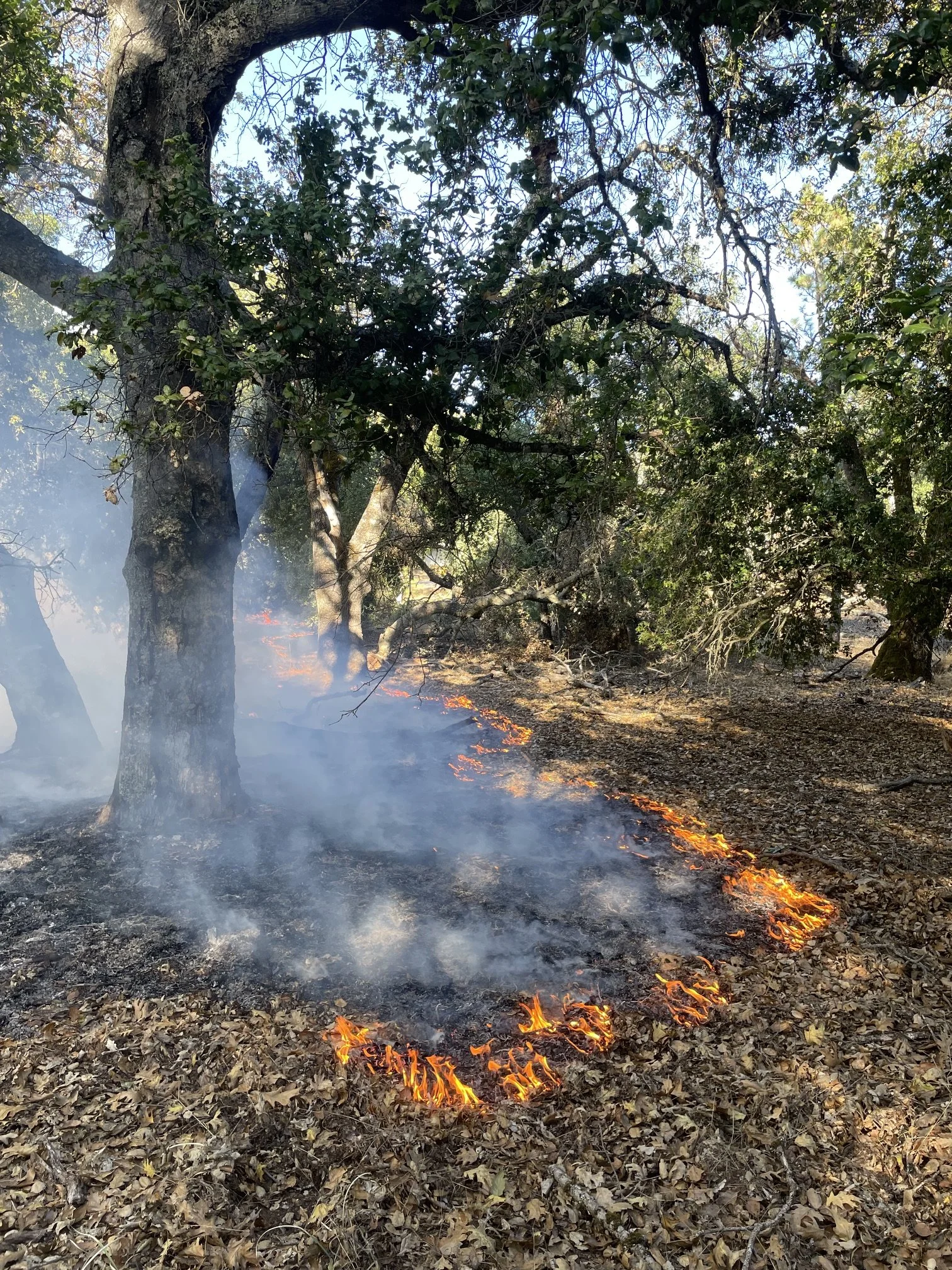
We provide services to plan, prepare, and deliver burns for everything from simply managing weeds in your garden to landscape scale improvement of ecological function, improving grazing land for livestock and wildlife, manage invasive plants, increase resilience to catastrophic fire, and reduce the risk of loss of life and property.
The thought of bringing the land back into a healthy balance with fire is so often overwhelming. We are here to help make and execute tangible plans that are backed by real scientific data, and that have real, visible results that not only help the land owner but also are beneficial to all the plants and wildlife that share the land.
What we offer
Plan development
Burn plot preparation
Equipment usage during the burn (Soon to come - inquire if you’re interested!)
Permit coordination
Develop operational maps
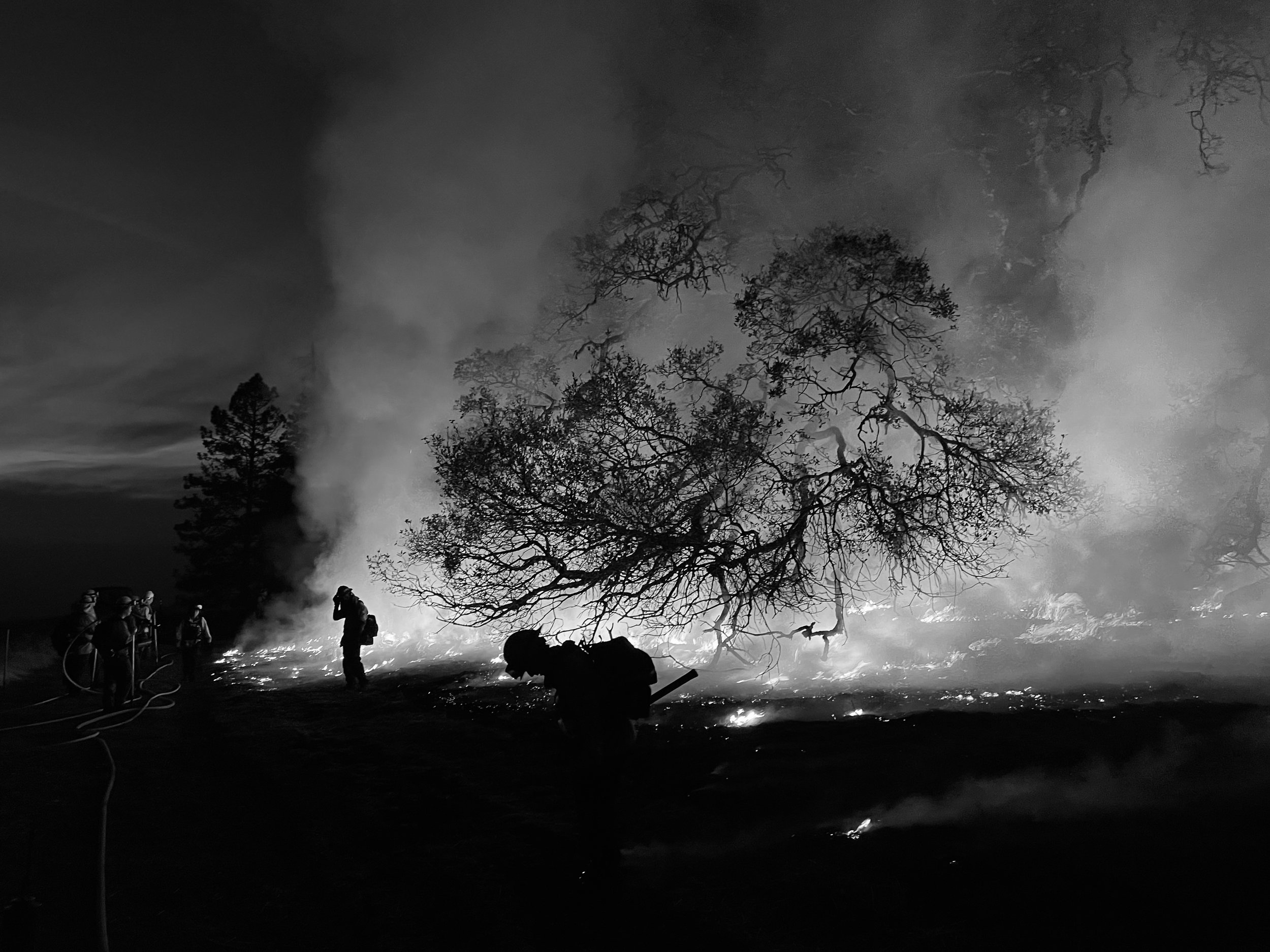
Burn coordination and leadership throughout delivery
Post-burn follow-ups
Ecological monitoring plan development
Data collection for ecological monitoring
Burn mentorship and workshops
Burn Leadership
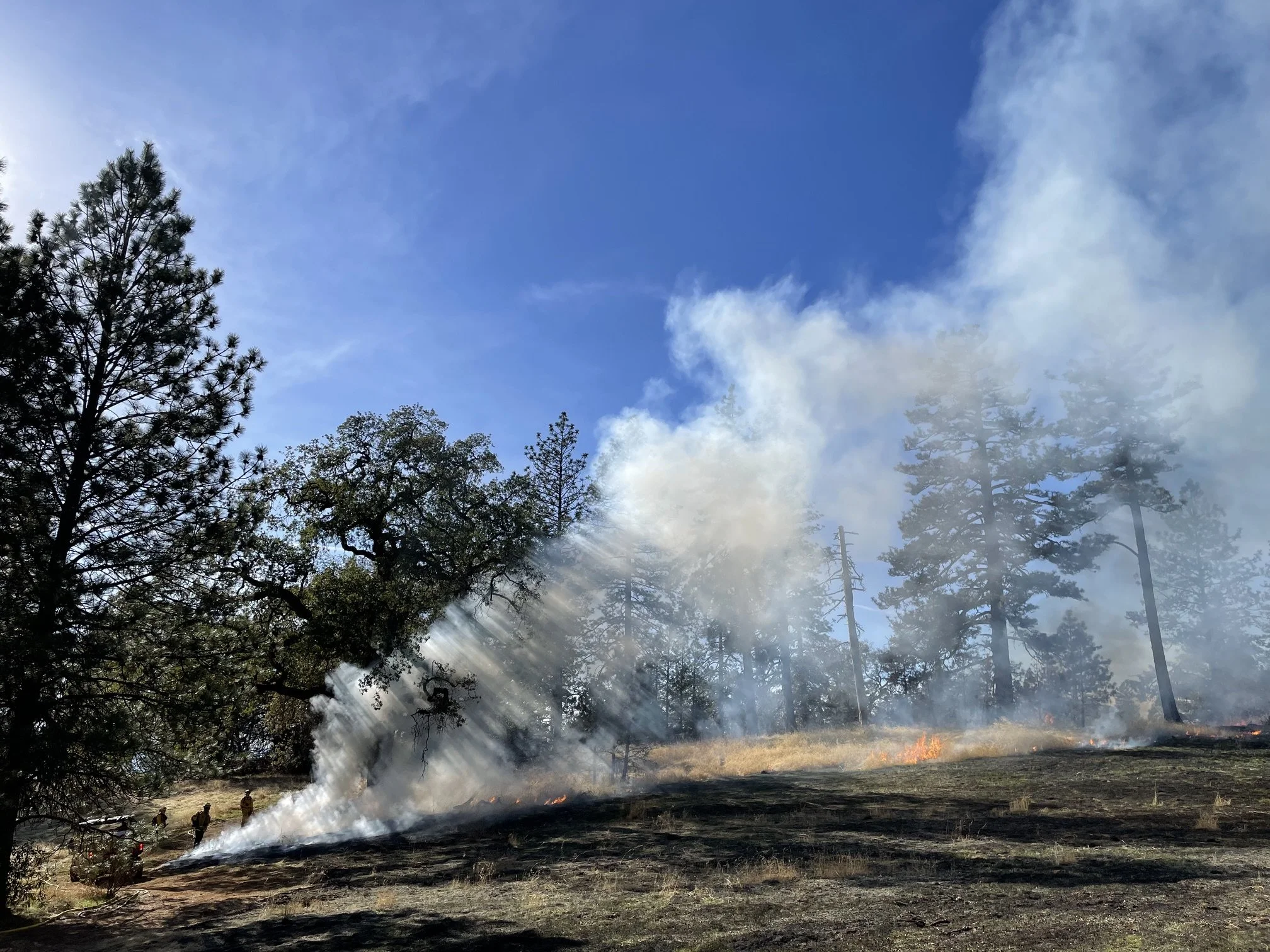
Good leadership is critical when delivering a burn, both for the safety of those participating and for ensuring that the purpose of the burn is being achieved. A mentor once told Mason “how you light the fire determines how well it stays in the lines”.
Leadership while burning will help ensure the fire is lit in the correct ways, keeping it cool and low, achieving what it’s meant to do. Mason began his journey in fire leadership 10 years ago, and has been a leader on more than 50 burns of all different sizes, complexity levels, and plant community types.
There is something new to be learnt every burn, and Mason brings with him all the lessons he has learnt over the past decade to help give the steady and calm guidance that’s needed when burning.
Why Burn?
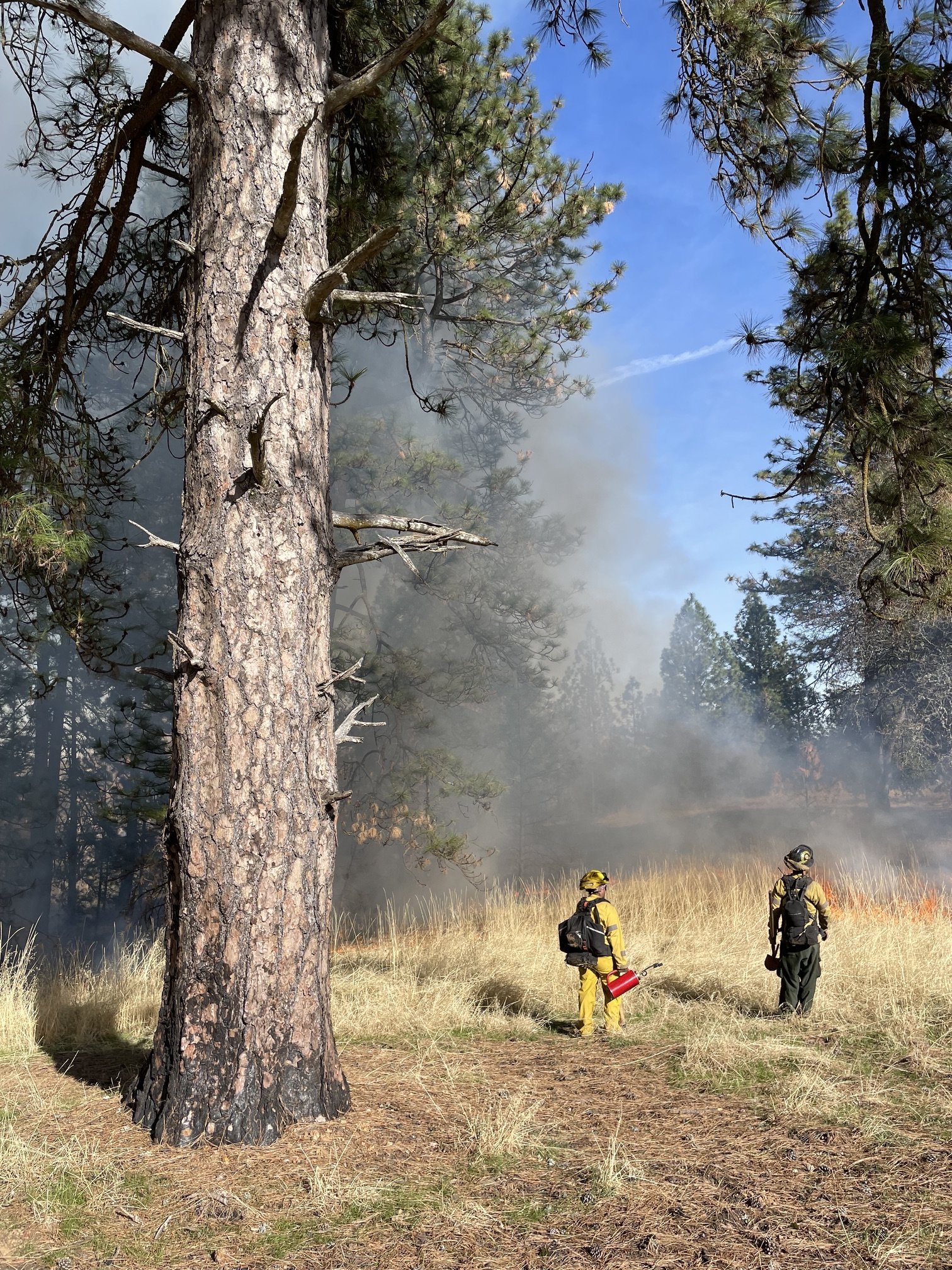
Plants all around the world evolved with fire. There are very few plant communities worldwide that don’t require fire for regeneration.
Our relationship with fire is one that is fueling the current fire regime - we suppress fires as much as can, until the fuel builds up too much and fire is too intense for us to suppress. “There is no such thing as fire prevention”, one of my old mentors used to tell me “only fire postponement”. The longer we postpone fire, the more intense and catastrophic it will be. California learned this the hard way in the summer of 2020, when too many fire were lit for even one of the worlds largest fire suppression budgets to control.
Burning can be done for many beneficial reasons, not the least of which is the reduction in risk of catastrophic fire. Burning can help control invasive plants. Seeds of many Indigenous plants require heat and/or smoke to germinate. New shoots of plants regrowing after fire can be as much as 300% more nutritious for the animals that eat them. These are just a few of the many benefits.
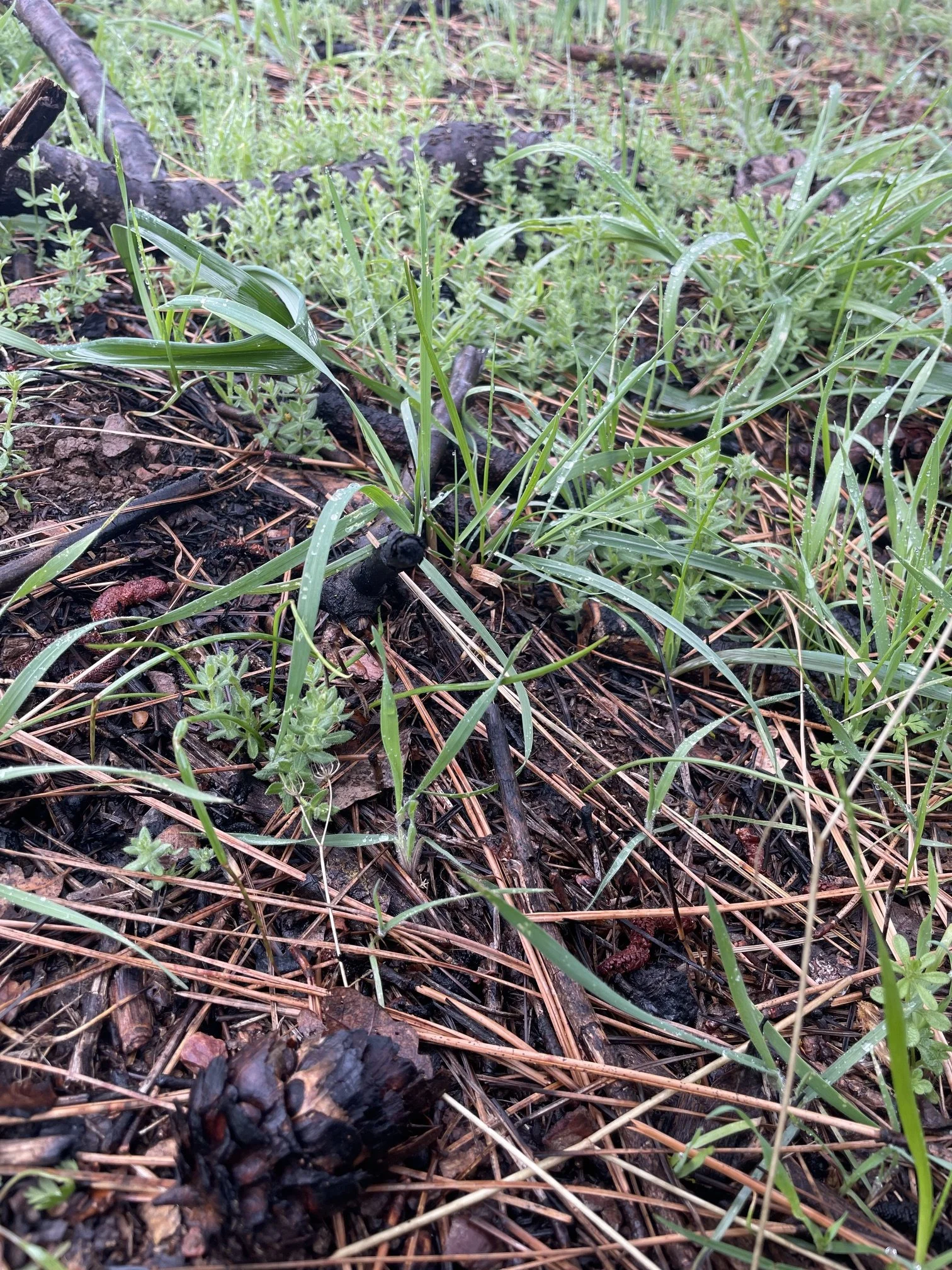
Burning Philosophy, Inspiration, and Mentors
Burning on Country is a personal thing, and requires a high level of trust and vulnerability. It’s important to have some level of alignment in philosophy around why and how to burn when building such a relationship between people and Country.
We recognise that nothing we do, and nothing we know in this space, is new. Indigenous peoples have been burning Country all around the world since time immemorial. Tender Fire derives much of its way of using fire from burning alongside Indigenous peoples in California, namely the Amah Mutsun, the Tamien, and the Esselen Tribes. We have also been strongly influenced by several Indigenous fire practitioners from here in Australia such as Victor Stephenson (author of “Fire Country”) and Bruce Pascoe and Bill Gammage (authors of “Country: future fire, future farming” in the Indigenous Knowledge Series).
Mason's understanding of fire has been shaped by years of mentorship during his time with the California State Parks, where he had the privilege of working alongside and learning from some of the most respected fire practitioners in the field. These mentors included George Gray, Gary Reece, and Frank Padilla, who all helped to bring ecological burning into regular practice in the 1980s. Mason also learnt from Ben Jacobs, who is still one of the premier Burn Bosses in California, and likely the most experienced Burn Boss conducting burns in Giant Sequioa groves. In addition, Mason has been mentored by his uncle, Tim Hyland, who has been a leading Burn Boss on California's Central Coast for more than two decades.
Knowledge of burning is place-based. It takes burning in a place to know how to do it. Mason recognises that he has a lot to learn here in this new environment. He looks forward to getting to know Country here, building a slow and steady relationship through the use of tender fire.